When the Peace Prize Looks in the Mirror
- Martin Enlund
- 2/28/26
Awarded for promoting “ballots, not bullets,” the Nobel Peace Prize given to Venezuelan politician Marina Corina Machado in October 2025 was soon overshadowed by the very violence it decried.
A few months later, the USA chose bullets, attacking Venezuela and kidnapping President Nicolás Maduro in an act critics call a violation of international law. This irony exposes a deeper question about the prize itself.
The institution awarding the prize now faces its own crisis. Thorbjørn Jagland, who chaired the Norwegian Nobel Committee from 2009–2015, has been indicted for aggravated corruption following the release of the Epstein documents. The investigation centers on gifts and trips during his tenure. In the documents, Epstein bragged of his friendship with Jagland, offering financiers and politicians access to “the man who decides the Peace Prize.” The prize, sometimes called “the world’s most prestigious award,” faces a severe test of its integrity.
This situation illustrates a philosophical principle: Wittgenstein’s Ruler. The philosopher Ludwig Wittgenstein argued that if you use a ruler to measure a table, you might just as well use the table to measure the ruler. The measure and the measured are in a reciprocal relationship.
Typically, we use the Peace Prize as a yardstick for merit. But the laureates can also be used to measure the award. Under Jagland’s leadership, the committee awarded the prize to Barack Obama in 2009. President Obama later expanded the drone war and authorized extrajudicial killings of Americans, such as Anwar al-Awlaki. Similarly, the EU received the prize in 2012, around the time the European Central Bank blackmailed member states like Ireland and Spain. Nobel laureate Aung San Suu Kyi (1991) was harshly criticized five years after her Oslo speech for failing to halt the Rohingya genocide. This pattern extends further back: Henry Kissinger (1973) is considered a war criminal by many. As Christopher Hitchens wrote, “if Kissinger is not responsible for these crimes, then there are no war criminals”.
There’s no direct proof Epstein influenced any prize decision, but the association damages the institution’s image. Moreover, research shows a committee chair who sets the agenda can steer outcomes. That Jagland is investigated for bribery suggests even the most hallowed institutions aren’t immune to corruption. The prize thus risks being hollowed out by these allegations.
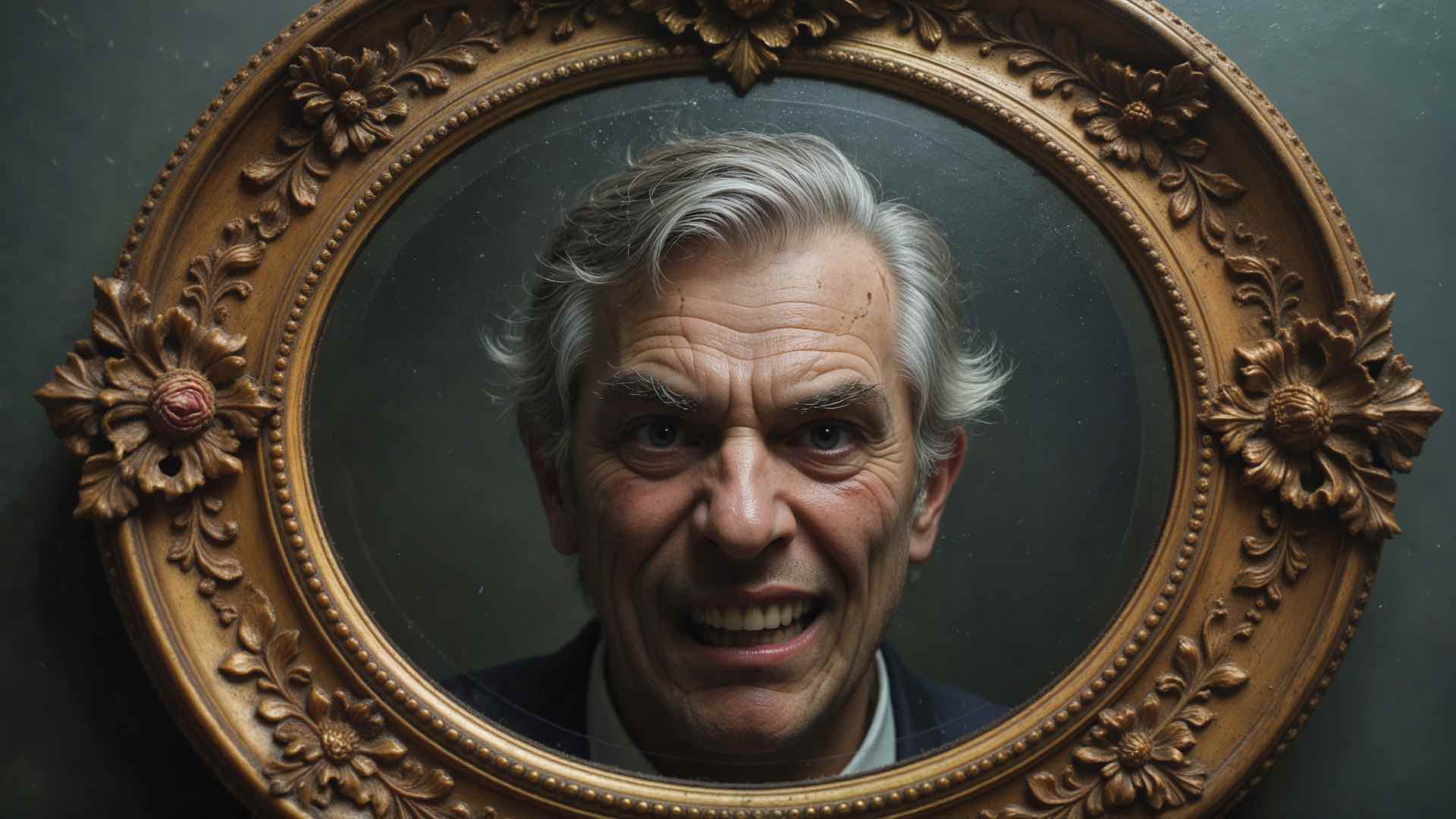
Wittgenstein’s Ruler reminds us that every honor constitutes a mirror reflecting the institution’s own reputation. This applies beyond the Peace Prize. It applies to everything we measure with. That the largest Swedish industrial bankruptcy in modern times (Northvolt) was preceded by the founder and CEO being handed a gold medal by the king – what does that really tell us?