When People Cost Less Than Electricity
- Martin Enlund
- 2/28/26
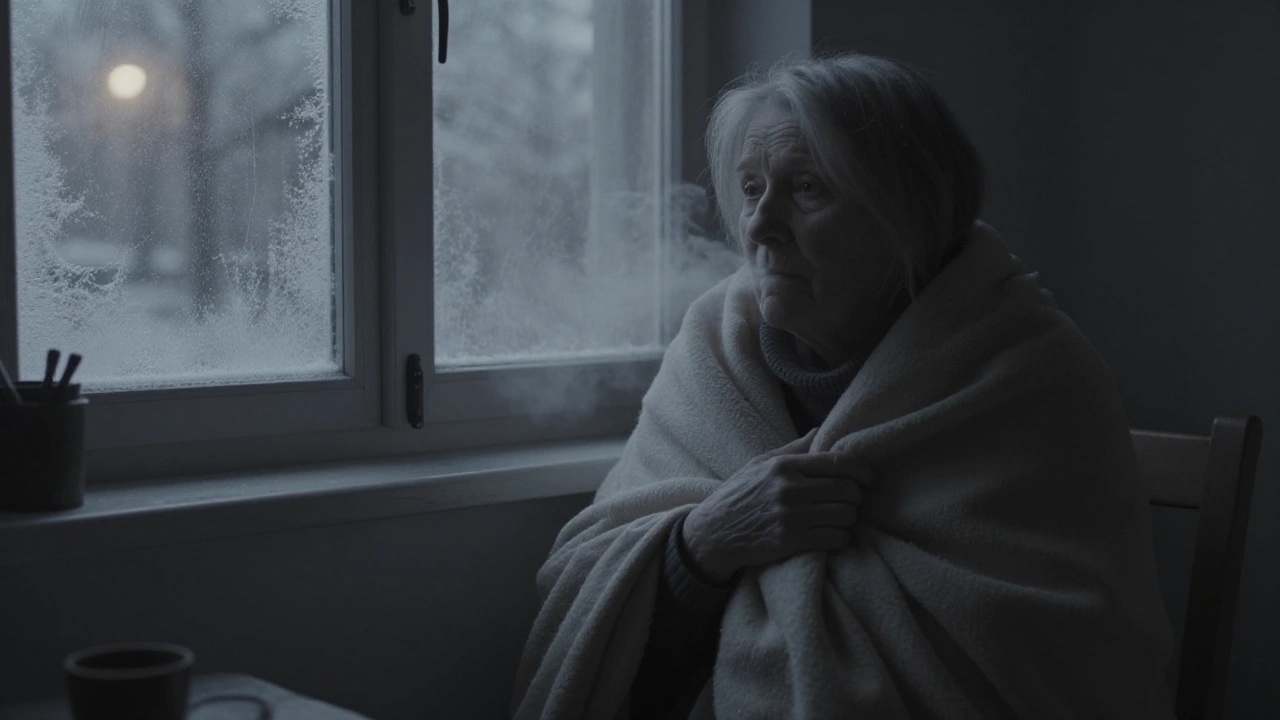
After the recent terrorist attack on Berlin’s energy infrastructure, which left around one hundred thousand people without power, an 83-year-old woman died. She was found by a relative in her apartment, showing severe signs of hypothermia
(a critically low body temperature), and later passed away in an ambulance. The final cause of death has not yet been determined according to police chief Marco Langner.
The attack hit a Europe already vulnerable due to an ongoing severe cold front, bringing snow, ice, and unusually low temperatures. However, the heightened mortality rate is not solely the fault of the weather or, for that matter, the far-left climate activist Vulkan group-which has claimed responsibility for the attack. The tragedy in Berlin brings to light a larger public health risk: cold weather kills far more people than hot weather.
An international study in the esteemed scientific journal The Lancet found that cold weather kills 20 times more people than hot weather. While heatwaves are a significant problem, extreme or moderate cold kills far more people than extreme or moderate heat, according to researcher Vijendra Ingole, now the lead data scientist for climate and health at the UK’s Office for National Statistics. The link between low temperatures and increased deaths is also clear in Sweden. Lower temperatures clearly coincide with higher mortality.
It is a fact that death rates rise during the colder winter months. The reasons are several. One is the direct effects of hypothermia (severe cooling, as in the tragic Berlin case), but that is far from the largest factor. The physical stress increases the risk of cardiovascular diseases. Additionally, respiratory infections like influenza become more common—and more severe.
When elderly people lower the temperature in their homes, the effects are similar. A British report calculated a few years ago that “each degree reduction in temperature below 18°C corresponded to 3,500 extra deaths.” At that time, more than two-thirds of all British adults planned to heat their homes less than before.
The green transition is Europe’s “man on the moon” moment, declared European Commission President Ursula von der Leyen in 2019. In the UK, electricity prices have soared in recent years and are now four times higher than their US counterparts. In Germany, prices have more than tripled since 2000 and are now among the highest in the world, largely due to fees, taxes, and surcharges. Industries in these countries are struggling to compete.
“[W]e’ll be bathing in gold,” said Swedish Centre Party former leader Muharrem Demirok in 2024. That same year, Swedish citizens were advised to avoid hot showers.
It is a tragedy that a terrorist attack in Germany may have led to an 83-year-old woman’s death from hypothermia. But if one widens the perspective, an uncomfortable question arises: how many elderly people have already, silently, paid the ultimate price because the electricity bill became more important than staying warm?